A Complete Guide to Boat Dock Maintenance
June 13, 2025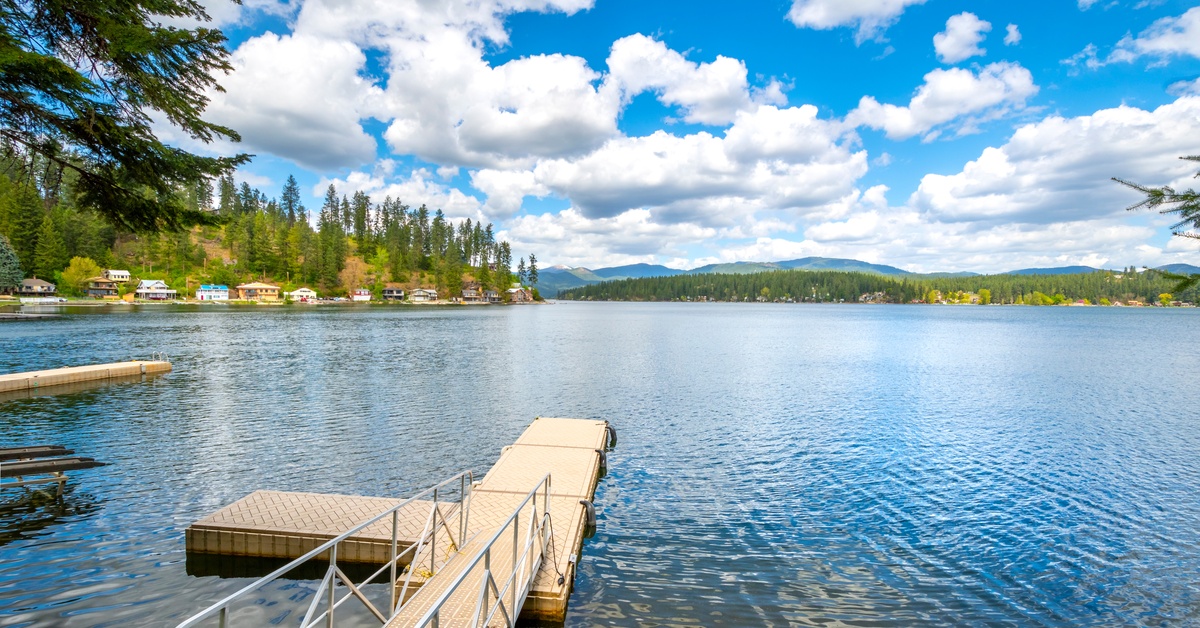
What To Consider Before Buying Your First Boat Dock
July 14, 2025
Installing a boat dock is more than just a project; it’s the start of countless days spent enjoying the water right from your own backyard. However, before you dive into building your dream dock, there’s one key step that can’t be overlooked, and that’s understanding local regulations.
While the idea of permits and approvals might feel overwhelming, navigating these requirements doesn’t have to be a headache. With the right know-how, you’ll be ready to tackle the process and bring your waterfront vision to life with ease. This guide will walk you through what you need to know and finally answer the question: Do you need a permit to install a boat dock?
Factors Influencing Permit Needs
Location of Your Property
The location of your property plays a significant role in determining permit requirements. If your property is on public land, you’ll likely face more stringent regulations compared to private land. Public waterways are overseen by local, state, or federal authorities to ensure shared access and environmental preservation. On private land, while rules tend to be less restrictive, permits might still be necessary depending on state guidelines.
Additionally, the type of water body adjacent to your property matters. For example, lakes, rivers, or coastal areas may each have specific regulations. Coastal properties, in particular, are frequently subject to additional oversight due to concerns about erosion and water quality.
Type of Dock
The type of dock you plan to install is another important consideration. Floating docks, which adapt to the water level, are often seen as less invasive and may have simpler requirements. On the other hand, fixed docks or those using piling structures require more permanent setups and can involve stricter regulatory scrutiny.
Size is another factor to keep in mind. If your dock is a smaller, temporary structure, you might not need a permit. However, larger and more permanent docks are more likely to require approvals due to their potential long-term impact on the waterway. Understanding the specific design and structure of your planned dock can save you from unexpected regulatory hurdles.
Impact on the Environment
Environmental impact is a significant concern for regulatory bodies. If your dock project is close to sensitive ecosystems like wetlands or protected areas, expect greater oversight. Wetlands, for instance, are vital for maintaining biodiversity and water quality, and any disruption can have drastic consequences.
The materials you choose for construction also play a role. Some materials may leach harmful chemicals into the water, while others, such as wood without harmful coatings, are more environmentally friendly. To avoid compliance issues, it’s important to select materials that align with environmental guidelines and minimize ecological disruptions.
Local Zoning and Ordinances
Zoning laws and local ordinances vary widely by municipality, making it essential to research the specific rules in your area. These regulations govern a range of factors, including dock size, placement, and usage. Some municipalities may also require setbacks, which dictate how far the dock must be from neighboring properties.
Before building your dock, check with your local planning or zoning office to understand the full scope of requirements. This step will help you avoid costly mistakes and ensure your project complies with local laws from the start.
How To Determine If You Need a Permit
Contact Local Authorities
Your first step should be reaching out to your city or county permitting office. These offices are your go-to resource for understanding local regulations and can provide details on specific requirements for docks in your area.
Additionally, if you live in a community with a homeowner’s association (HOA), it’s critical to check with them as well. HOAs often have neighborhood-specific rules that can impact the design or placement of your dock.
State and Federal Guidelines
Beyond local rules, state and federal laws may also apply, depending on the location of your property and the type of waterway your dock will adjoin. Many states have dedicated agencies, such as Departments of Natural Resources or Environmental Protection, that set guidelines for waterfront construction.
At the federal level, the Army Corps of Engineers often gets involved, particularly in navigable waters, as they oversee regulations designed to protect marine ecosystems and waterway safety. Familiarizing yourself with these additional layers of oversight ensures your dock meets all applicable standards.
Consult With Professionals
Sometimes, the best way to clarify permitting requirements is to seek advice from industry experts. Builders, contractors, and marine engineers who specialize in dock construction can help you understand the nuances of the permitting process in your area.
These professionals often have firsthand experience working with local permitting offices and can guide you through the steps, ensuring your plans meet regulations. Additionally, they might offer alternatives or solutions you hadn’t previously considered, making their expertise invaluable to the success of your project.
The Permit Application Process
Gather Necessary Documents
Before starting your application, it’s important to have all the required documents ready. These may include property surveys, detailed dock designs, and environmental impact assessments, depending on your location.
Having proof of property ownership and copies of any existing permits will also be essential. Organizing these materials ahead of time can save you significant delays and ensure your application process goes smoothly.
Submit the Application
Once you’ve gathered your documents, you’ll need to fill out the application forms specific to your area. These forms typically require detailed construction plans that outline the size, location, and materials you intend to use.
Don’t forget to include applicable fees, as outlined by your local or state permitting agency, with your submission. A complete and accurate application improves the chances of progressing through the next steps with ease.
Await Inspection and Approval
After submitting the application, you may need to schedule a site inspection conducted by the appropriate permitting authorities. These inspectors evaluate the project’s potential impact on the environment, neighboring properties, and local waterways.
Be prepared for some waiting time, as approval timelines often depend on the complexity of your project and its location. Use this period to plan any additional details needed for construction.
Address Potential Challenges
If your application is denied, don’t feel discouraged. Review the feedback provided carefully, as it will highlight specific concerns or changes required to make your project adhere to regulations. You may need to adjust your dock design, supply additional documentation, or clarify your plans to move forward.
If necessary, consider appealing the decision or hiring a permitting consultant who can lend their expertise to help you resolve challenging situations. Perseverance and adaptability will be key to successfully navigating this phase.
After a tiring and lengthy permit process, make installing your boat dock a little easier with Roll-in-Docks. Our DIY boat dock kits are here to save you time, money, and energy. Our easy-to-assemble kits come with all the necessary hardware and instructions, making it a breeze to build your own dock. With our durable and high-quality materials, you can trust that your Roll-in-Dock will last for years to come.