
Wood vs. Aluminum Boat Docks: Which Is Right for You?

Selecting the perfect boat dock is more than just a practical choice; it’s about creating a seamless connection between your lifestyle and the water. With so many options available, how do you decide what’s best for your needs? Wood and aluminum docks are two standout contenders, each with its own distinct perks.
Whether you prioritize durability, low maintenance, or a design that complements your waterfront property, understanding these materials is key to making the right decision. In this guide, we’ll break down the differences between wood and aluminum docks, so you can find one that fits your budget and transforms your waterfront property into a space you’ll truly love.
Ease of Maintenance
Wood Docks
Wood docks require significant upkeep to maintain their structural integrity and aesthetic appeal over time. Regular staining, sealing, or painting is essential to protect the wood from moisture damage, which can lead to rot, warping, or discoloration. These protective treatments also help preserve the dock’s appearance by preventing fading caused by UV rays.
However, wood docks are more susceptible to damage, such as cracks, splinters, and even insect infestations, which often require frequent repairs or replacements of damaged sections. Cleaning a wood dock can be labor-intensive, as it typically involves scrubbing with brushes or pressure washing to eliminate algae, mildew, or other residue that accumulates over time. Despite these challenges, some individuals appreciate the natural and timeless aesthetic of wood, making the maintenance efforts worthwhile for them.
Aluminum Docks
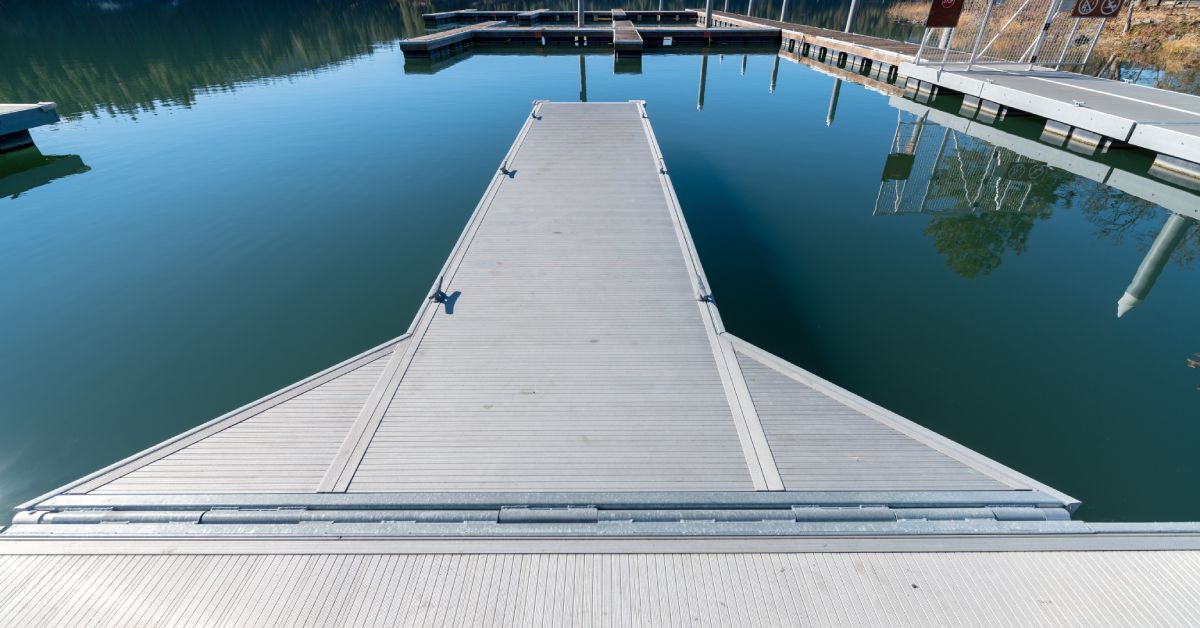
Aluminum docks, on the other hand, are known for their minimal maintenance requirements, offering a hassle-free experience to homeowners. Unlike wood, aluminum does not need sealing, staining, or painting to maintain its durability or appearance. Its resistance to corrosion and warping means fewer repairs or replacements are necessary, even after years of exposure to the elements.
Cleaning an aluminum dock is a straightforward process, often requiring only basic soap and water to remove dirt or debris. Additionally, aluminum’s resistance to mold and grime buildup ensures that its sleek and polished surface remains easy to maintain. This makes it an excellent choice for those looking for durability and convenience without sacrificing functionality or style.
Aesthetic Preferences
Wood Docks
Wood docks are renowned for their natural, warm appearance that blends harmoniously with outdoor settings. The organic charm of wood allows it to complement lakes, rivers, or oceanfront properties effortlessly, creating a timeless and inviting atmosphere. Additionally, wood docks can be customized to suit individual tastes by staining or painting them in a wide variety of colors.
This versatility means you can match the dock to your home, boat, or personal design vision. Over time, untreated wood develops a weathered, rustic look, which many people find appealing as it adds character and charm. However, it’s important to be aware of the maintenance required to preserve the wood’s natural beauty and prevent it from deteriorating too quickly.
Aluminum Docks
Aluminum docks, on the other hand, offer a sleek and modern aesthetic that is particularly well-suited to contemporary waterfront designs. Their clean lines and minimalistic appearance often appeal to those who prefer a more polished and streamlined look. Many aluminum docks come with powder-coated finishes available in various colors, allowing for a degree of customization to align with your preferences.
Though aluminum lacks the organic warmth and texture of wood, it compensates by presenting a durable, low-maintenance solution that retains its appearance over time without fading or weathering. This makes aluminum docks an excellent choice for those who value a sophisticated yet practical design.
Suitability for Different Climates
Wood Docks
Wood docks are a classic and popular choice, but their longevity and performance are often tied to the specific climate. These docks perform best in milder climates where extreme moisture or temperature fluctuations are not prevalent.
Hot and humid conditions can speed up the process of rot and decay, as the constant exposure to moisture creates an environment conducive to wood-damaging fungi and pests. Similarly, in cold climates, frost can cause the wood to crack over time, particularly if it is not properly treated or maintained.
To keep wood docks in good condition across all climates, regular maintenance is essential. This includes staining, sealing, or applying protective coatings to guard against moisture damage and UV rays. While maintenance helps prolong their lifespan, it requires a commitment of time and resources, especially in harsher environments where weather takes a heavier toll.
Aluminum Docks
Aluminum docks are well-suited for a broader range of climates, especially those with more extreme or variable weather patterns. Their inherent strength and resistance to environmental factors make them an excellent choice for areas prone to heavy storms, high winds, or frequent temperature changes. Unlike wood, aluminum does not rot, warp, or decay, even when exposed to prolonged moisture or frost.
One aspect to consider with aluminum is its heat retention. While aluminum heats up quickly in the sun, it also cools down just as rapidly. However, in warmer climates, the surface may feel hot underfoot, which is something to consider for those planning to spend a lot of time barefoot on the dock. Despite this, its resilience to icy conditions and resistance to cracking or warping in extreme temperatures make it a practical and low-maintenance option for diverse environments.
Lifespan and Longevity
Wood Docks
Wood docks typically have a lifespan ranging from 10 to 15 years when maintained regularly. Certain hardwoods, such as teak or ipe, can last significantly longer due to their natural resistance to decay and weathering. However, consistent care is critical to extending the lifespan of a wood dock.
This includes sealing, staining, or applying protective coatings to shield the wood from moisture, sun damage, and pests. Without routine maintenance, wood docks are prone to rotting, warping, and cracking, which can lead to premature deterioration. For those willing to invest time and effort into upkeep, wood docks can be a timeless and aesthetically pleasing option.

Aluminum Docks
Aluminum docks, on the other hand, boast an impressive lifespan of 20 to 30 years or even longer, with a minimal need for repairs. The material’s natural resistance to environmental stressors such as rust, corrosion, and UV damage makes it an excellent choice for long-term reliability.
Unlike wood, aluminum does not require frequent treatments or refinishing, reducing the time and cost associated with maintenance. Its lightweight yet durable construction also ensures that it can endure fluctuating temperatures, high humidity, and other challenging conditions without significant wear. For those looking for a low-maintenance and cost-effective dock, aluminum is a practical and efficient choice.
Now that you know the differences between wood and aluminum boat docks, trust Roll-in Docks to provide you with the right foundation for your waterfront needs. Whether you’re leaning toward the timeless charm of wood or the sleek durability of aluminum, we have options to suit every preference.
For those who love a hands-on project, our DIY roll-in dock kit is the perfect solution, allowing you to build your own custom dock frame with quality materials and straightforward assembly. Transform your shoreline into a space you’ll enjoy for years to come.