
Steel Grade Selection for Commercial Frames
September 11, 2026
Optimizing Wheel Traction on Soft Lakebeds
October 6, 2026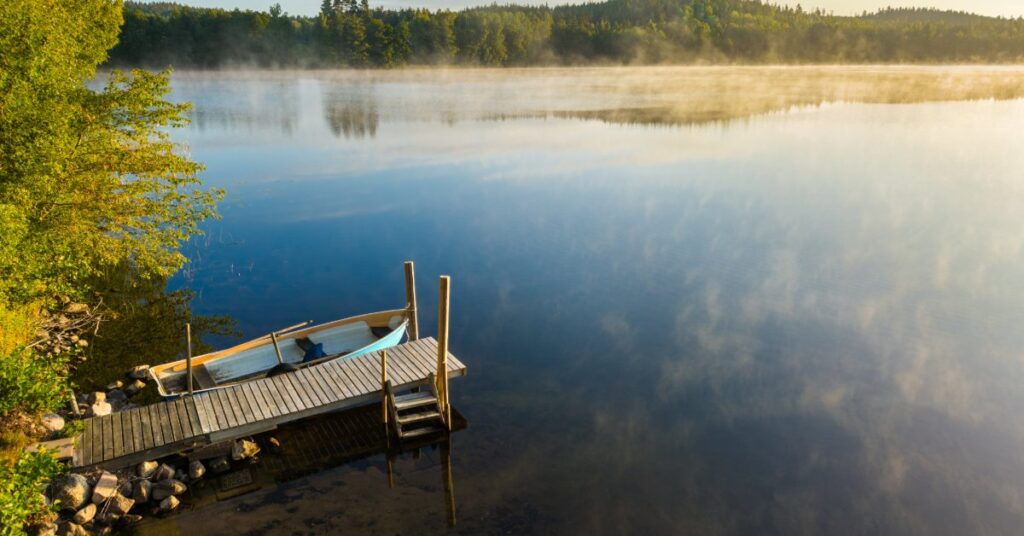
A safe dock depends on more than strong framing and reliable hardware. The shoreline supporting the dock approach also plays a major role in how safely people can access and use the waterfront. When erosion gradually removes soil or changes the bank profile, a once-stable dock area can develop uneven ground and troublesome transitions.
Managing shoreline erosion for dock safety starts with understanding how water moves sediment around a property. Waves and human activity continually reshape waterfront terrain. Property owners who recognize these forces can address vulnerable areas before erosion interferes with dock access or creates larger shoreline problems.
Understand How Shoreline Erosion Develops
Shorelines naturally change because water carries sediment from one location to another. Waves loosen soil particles along exposed banks, while currents transport that material farther down the shoreline. The process may happen slowly for years before a storm or heavy runoff causes a noticeable change.
Geomorphology, or the study of how landscapes form and change, helps explain why erosion rarely occurs evenly across a property. Soil composition, bank angle, wave direction, and water depth all influence how quickly material moves. A sandy shoreline may respond very differently from a steep bank that contains gravel or larger stones.
Watch the Transition Between Land and Dock
The connection between the shoreline and dock deserves particular attention because erosion can alter its elevation and stability. Soil loss near the approach may create a drop or soft area where people regularly walk. Small changes can become significant safety concerns when users walk towards the water.
The shoreline also serves as the starting point for many rolling docks, so changing ground conditions can affect how easily owners install, remove, or adjust their systems. A stable approach makes those seasonal tasks more predictable. Regularly inspecting this transition can reveal changes before they interfere with normal waterfront use.
Identify the Forces Acting on Your Shoreline
Effective erosion management starts with identifying the source, not simply covering an eroded area with new soil. Added material may quickly wash away when the same water movement continues acting on the site. Property owners should observe the shoreline during different weather and water conditions to understand what drives sediment loss.
Several clues can help reveal the dominant erosion process:
- Small channels through the soil may indicate concentrated stormwater runoff.
- Exposed plant roots can point to gradual surface erosion.
- Fresh cuts along the bank may indicate wave action or rapidly changing water levels.
- Sediment collecting nearby can reveal the direction that water moves eroded material.
- Repeated soft spots near the dock approach may signal drainage or saturation problems.
These observations help property owners distinguish a minor maintenance concern from a broader site issue. They also provide useful information when consulting shoreline contractors, engineers, or local environmental professionals.
Control Runoff Before It Reaches the Water
Not every erosion problem starts in the lake or river. Rainwater flowing downhill can gather speed as it crosses lawns and other surfaces. When concentrated runoff reaches the shoreline, it can carve channels into the soil and carry sediment directly into the water.
Redirecting or slowing that runoff can reduce pressure on the bank. Depending on the property, solutions might include improving drainage patterns or addressing concentrated discharge points. The goal involves reducing the amount of fast-moving water that reaches vulnerable soil at one location.
Property owners should avoid redirecting runoff in ways that create problems elsewhere. Sending water toward a neighboring property or another unstable section of shoreline moves the erosion problem. A site-specific drainage plan offers a more sustainable approach when runoff contributes heavily to soil loss.
Use Vegetation to Strengthen Vulnerable Soil
Healthy vegetation can provide valuable erosion control because roots help hold soil together. Plants also slow surface runoff and reduce the force of rainfall striking exposed ground. Along suitable shorelines, water-tolerant plants can support a more resilient transition between land and water.
Vegetation works best when property owners match plant choices to actual site conditions. Water levels and local climate all influence whether plants will establish successfully. A steep or severely eroded bank may need additional stabilization before vegetation can provide meaningful protection.
Keep dock access in mind when planning planted areas. Concentrated foot traffic can damage roots and compact soil, particularly when everyone follows the same narrow route to the dock. A defined, stable walking path can protect both shoreline vegetation and waterfront users.
Consider How Waves Reshape the Bank
Wave energy can remove shoreline material even when the water looks relatively calm most days. Wind-driven waves repeatedly strike the bank, loosen sediment, and carry smaller particles away. Boat wakes can add another energy source, especially along waterways with frequent recreational traffic.
Shoreline shape also affects how waves interact with the property. A steep, exposed bank may absorb wave energy differently from a gradual, vegetated slope. Nearshore water depth and prevailing wind direction can further influence where erosion develops most aggressively.
Owners should look beyond the exact spot where soil disappears. Erosion at one point can reflect water movement occurring across a much larger section of shoreline. Understanding that larger pattern helps avoid temporary fixes that protect a few feet of bank while leaving the surrounding area vulnerable.
Choose Stabilization Methods for the Site
Shoreline stabilization has no universal solution. Some properties may benefit primarily from vegetation and improved drainage, while others may require rock, engineered stabilization, or a combination of methods. The severity of erosion and wave energy should influence the approach.
Hard stabilization methods can offer substantial protection in certain environments, but property owners should consider how these structures affect water movement. Poorly planned barriers may redirect wave energy toward another part of the shoreline. They can also influence sediment movement around neighboring waterfront areas.
Protect Dock Safety Through Routine Shoreline Inspections
Dock inspections should extend several feet inland, not stop where the dock begins. Walk the access route and look for loose soil, sudden elevation changes, undercut edges, standing water, and newly exposed roots. These conditions can indicate that the ground supporting normal dock traffic is changing.
Pay attention after heavy rain, strong winds, high-water events, or periods of heavy boating activity. These conditions can quickly accelerate sediment movement. Compare current conditions with previous observations rather than assuming the shoreline will maintain the same profile every season.
The dock itself can also provide clues. If the approach suddenly feels steeper or positioning the dock requires different adjustments than in previous years, investigate the surrounding terrain. Preventing shoreline erosion helps property owners maintain dock safety.
Build Dock Safety From the Shoreline Out
A reliable waterfront setup starts on land. Understanding what causes this erosion helps property owners maintain safer access while protecting the area surrounding their dock. Thoughtful shoreline management also makes it easier to recognize when a changing site needs professional evaluation.
Roll-In Docks provides DIY dock systems and components designed to help waterfront owners create practical water access. When shoreline conditions support safe installation and use, the right dock setup can become a dependable part of the property for years to come.
Evaluate the shoreline first and address erosion concerns appropriately. Browse Roll-In Docks’ dock solutions to find the right setup for your shoreline and build a safer, more practical connection between your property and the water.